

Your shopping cart is currently empty.

Sign in and join Kleen Rite rewards to earn points and redeem rewards
Find offerings from the top brands in self serve car wash dryers including Diskin, AirLogic, and Turbo Towel here. These units have proven track records of improving self serve revenue and customer satisfaction at your facility. We offer models that are stand alone to allow placement in other locations around the car wash to increase the amount of customers that might use air dryers. Car owners of darker color cars and motorcycle owners in particular will love these options. Don’t miss a chance to increase profits with minimal investment.
Self-serve car wash air dryers handle much more than just daily drivers. They offer a versatile, touch-free drying solution that appeals to a wide range of customers. Even owners of exotic and luxury vehicles may want to use them instead of towels to dry their vehicles.
The primary application is removing residual water from vehicle surfaces after a spot-free rinse. High-speed air safely pushes water off body panels, crevices, door jambs, grills, and other design elements of the vehicle's body, preventing hard water spots and streaks. However, the benefits extend to specialized applications. Motorcycle owners heavily rely on air dryers because towel-drying around hot engine components is difficult and dangerous. Air blowers easily push water out of deep engine fins, instrument clusters, and off leather seats.
Customers also use these powerful systems to blow debris and water off rubber floor mats or to dry out truck beds. The typical setup involves a heavy-duty motor mounted securely on the bay wall or in the attic space above. This motor connects to an overhead boom that holds a flexible hose and nozzle. The boom holds the hose above the vehicle and drops the end within reach for the customer to use. This overhead operation keeps the hose off the wet bay floor, prevents tripping hazards, and keeps the equipment clean for the next user.
Upgrading your bays with a self-serve car wash dryer delivers immediate benefits to both your customers and your bottom line.
Self-serve air dryers are a consistently high-performing addition in self-serve car wash bays, ranking as the third most profitable function available via the rotary selection on most coin boxes. Operators typically see customers purchase an additional two to four minutes on the air dryer after using other services. This directly increases both utilization and revenue.
Air dryer systems typically cost between $1,600 and $2,200. While not cheap, they deliver a rapid return on investment—often paying for themselves within 12 to 18 months. Many sites report an increase in revenue per bay of 8–12% after installation, which can translate to $1,500 or more annually for each bay, depending on site traffic and pricing structure.
Pricing time is an important consideration. Most car washes charge between $0.25 and $1.00 per minute for using the wash bay. Some operators opt for an initial fee that covers a base period, with incremental charges for added time, allowing greater flexibility while capturing additional revenue from customers interested in thoroughly drying their vehicle, as they are likely to pay for even more time.
Key factors affecting revenue include the air dryer’s uptime, total customer volume, and bay efficiency. Reliable, well-maintained equipment ensures the dryers are always available for customers, minimizing downtime and maximizing throughput. For high-traffic locations, even a simple air dryer upgrade can substantially boost per-bay earnings with minimal operational disruption.
This makes air dryer systems an efficient, reliable solution for self-serve operators seeking to increase throughput, drive additional revenue, and deliver a better customer experience.
Customers want professional results. By providing a powerful air drying system in your self-serve bay, you help them achieve a true spot-free finish. They can easily blow water out of tricky crevices, mirrors, and trim pieces where water usually hides. It also helps them reduce the chances of scratching their vehicles, as this drying method does not require touching the paint. Motorcycle owners will also find these drying systems valuable, as they efficiently dry hot engines, components, and hard-to-reach areas of the bike that are difficult to address with a towel. Providing reliable and efficient self-serve car wash air dryers keeps customers coming back to your wash rather than visiting a competitor. This helps you develop a loyal customer base.
When customers use vending machines to purchase drying towels for their cars, the wrappers are often left behind in the wash bay. Installing a dedicated air dryer reduces cleanup time, helping you maintain cleaner wash bays. This simple upgrade streamlines operations and improves the overall customer experience.
When evaluating self-serve car wash air dryers for your facility, several key factors determine the best fit for your specific bays.
First, consider the motor power and electrical requirements. Blower motors typically range from 110V to 220V and are available in 1, 2, or 3-stage configurations. Check your existing electrical panel to ensure you order a unit that is compatible with the voltage and amperage it can provide. Systems with two or three heavy-duty motors provide incredible airflow or cubic feet per minute (CFM), allowing customers to dry vehicles faster and more efficiently.
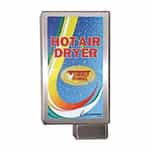
Next, evaluate the mounting options. If you have limited space in the bay, an attic-mounted system keeps the main motor housing completely out of sight and away from direct moisture. They may also muffle some of the noise generated by the motors to keep the bay quieter. That really depends on how the attic is constructed and the amount of insulation. If attic space is unavailable, wall-mounted units featuring high-impact plastic domes offer excellent durability against overspray. Wall-mounted units should only take up a few inches to a few feet of space, allowing them to fit in most self-serve car wash bays with ease.
Finally, pay close attention to the quality of the hose and nozzle. The hose must be highly flexible yet crush-proof to withstand being stepped on or pulled. The nozzle should be constructed from a soft, pliable rubber. A soft nozzle is designed to minimize the risk of damage if the hose is dropped or comes into contact with a vehicle surface. This feature helps prevent scratches on paint and dents on body panels.
Installation is generally straightforward for most operators. It requires mounting the blower unit, installing the overhead boom, routing the flexible hose, and connecting the motor to your existing electrical panel and wash timer. If you are a new operator, any qualified electrician can quickly tie the system into your bay's control box.
These systems require minimal daily maintenance. You should regularly inspect the hose for any tears or leaks that might reduce air pressure weekly. Check the nozzle to ensure it remains securely attached and undamaged. Most importantly, check the motors weekly as well to ensure maximum airflow and avoid unexpected downtime. Choosing a replacement motor is easy. You can find the model of the original motor in the system's manual and parts lists. Another route you could take is to match the current motor's specification. There should be a label listing the specifications, including voltage, cubic feet per minute (CFM), stages, diameter, and other important specs to find the right replacement. By far the easiest way to order replacement motors is to get the exact model recommended by the air dryer's manufacturer.
In many cases, you will need to install a dedicated boom for the air dryer. Air hoses are thicker and heavier than standard high-pressure water hoses. You will need to order the booms separately. We carry plenty of options to keep the air hose suspended properly and easy for customers to maneuver. If you are replacing an air dryer and ordering the same system to replace it, then your current boom will be compatible, provided it has been properly maintained and is in good working condition.
In most setups, pumps and related equipment do not operate while the dryer is running. This design ensures that electrical demand remains stable during dryer use. As a result, the additional energy cost per cycle is minimal—typically just a few cents. For operators, this means a negligible increase in operating expenses and increased profits.
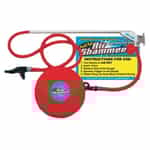
Manufacturers typically include a section in each product manual or usage guide outlining common issues and step-by-step troubleshooting instructions. This ensures operators can quickly identify problems with their self-serve bay air dyers and apply effective solutions, helping to minimize downtime and maintain peak performance. Our very own Fix It with Phil series on YouTube has an episode that covers troubleshooting Air Shammee dryers. So if you have one of those systems, we've got you covered with a helpful guide.

Your shopping cart is currently empty.
Sign in and join Kleen Rite rewards to earn points and redeem rewards

