



Your shopping cart is currently empty.

Sign in and join Kleen Rite rewards to earn points and redeem rewards
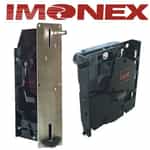
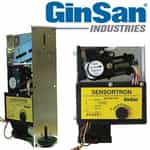
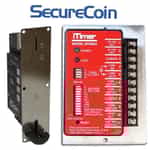
Coin acceptors and timers are key components of any coin vac or air machine unit. Quality coin acceptors enable smooth transactions and avoid jamming. The best ones also offer a level of security that keeps criminals from stringing or using counterfeit coins. We offer coin acceptors from the most popular and trusted names in the industry that will keep your coin-operated business running with limited maintenance and problems.
Our acceptor selection includes a variety of different U.S. coins and foreign currency, as well as token acceptance. They come in the most common faceplate sizes, so you’re sure to find the size that is compatible with your vacuum, air machine, or vending machine.
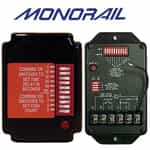
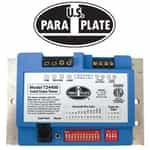
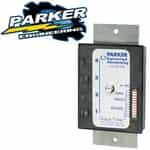
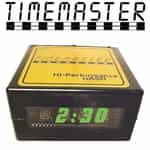
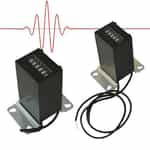
Timers, as you might expect from the name, keep track of the time being used by the customer at the vacuum or in the car wash bay. They let the customers know how much time they have left (count down) or how much time has elapsed (count up).
When it comes to machines that are not attended, having coin acceptors and timers that you trust is crucial to maintaining consistent business flow, avoiding customer complaints, and limiting loss from theft or malfunctioning machines.
Well-placed, high-traffic vending machines and coin accepting pay stations machines can generate a solid profit, while a single machine in a poor location may not be profitable. Key factors affecting profitability include location, offered inventory or service, operational costs, and the scale of your operation.
This collection of mechanical and electronic coin acceptors is engineered for robust operation in demanding commercial environments, minimizing downtime and ensuring consistent performance in every transaction. They feature advanced coin validation technology designed to accurately distinguish between genuine currency and counterfeit coins, thereby reducing the risk of fraud and unauthorized use. Their straightforward integration means you can retrofit existing machines or outfit new installations with minimal hassle, guaranteeing quick upgrades without disrupting daily operations. With compatibility across a broad array of vending and car wash equipment, these solutions help streamline the customer experience by providing reliable and efficient payment processing.
A coin acceptor works by using a series of tests to identify a coin's size, weight, and metal composition to determine its value. When a coin is inserted, it passes through a sorting mechanism that uses electromagnetic sensors to analyze its properties and compares them to a database of known coins. Coins that are not a match are rejected, while valid coins are accepted and sent to vault box.
To elaborate on the process, the user inserts a coin into the coin slot, which is sized to prevent oversized coins from entering. The coin is first screened for size and weight in the chute as it travels down. As it falls, it passes by electromagnetic sensors that generate a magnetic field. This field analyzes the coin's material composition and size using a unique electrical signature in the sensors, which is read by a circuit board. Some acceptors also use optical sensors to read a coin's surface for images or profiles.
Customization options for coin acceptors include programming for specific coin types and values, configuring security settings to accept or reject certain denominations, and adjusting the number of coin tubes for dispensing. For more physical customization, options can include size, material, color, branding, and specific mounting or connectivity requirements.
The acceptor system next compares the coin's signature to its database of known coins. If the coin matches a known value and is not a counterfeit, the machine adds credit and directs the coin into the cash box. These machines reject coins of the wrong size, weight, or composition, and spit the reject back out through a separate chute to the customer.
Keep in mind a coin acceptor is different from a coin dispensing machine. It takes coins in and validates them, while a coin dispenser releases coins out. A coin acceptor identifies valid currency to add credit, while a coin dispenser is used to provide change or dispense a set amount of coins. In other words, a coin dispenser is a device for holding and dispensing coins as change for dollar bills or for coin-operated machines. Kleen-Rite also has these automated machines for car washes and other businesses can dispense specific denominations quickly.
Coin acceptors connect to a machine's electronic framework to handle cash transactions, while payment system integration involves combining this cash acceptance with other payment methods like credit cards, mobile wallets, and QR codes for a hybrid or fully cashless solution. This integration allows for a seamless and comprehensive user experience, connecting various payment technologies to a central system that triggers a time-based service, product dispensing or other function.
Hybrid systems including a coin acceptor and/or bill validator can be integrated with a separate credit card reader, creating a hybrid system that accepts both cash and cashless payments. Advanced systems can go cashless by integrating mobile payments (like Apple Pay and Google Pay) and QR code payments, often via a single payment system that manages multiple types of transactions. Many modern payment systems include telemetry features that allow for real-time monitoring of sales, machine status, and transaction management, especially when integrated with cashless payment systems. Some all-in-one payment solutions transform a machine into an advanced cashless point of sale, managing credit card, app, and contactless payments, and can also connect to peripherals like coin acceptors.
Integrated coin acceptance systems, like Coinco Guardian for vending machines and Scan Coin deposit systems, use sensors to verify coins, count them, and manage transactions automatically, offering benefits such as increased efficiency, enhanced security against counterfeits, and improved cash flow management. These systems can also be integrated with online software or provide vouchers for redemption for even more convenience and data tracking.
These systems benefit users with increased efficiency and accuracy, reducing the risk of human error common with manual counting. Advanced sensor technology can detect and reject counterfeit, foreign, or damaged coins, protecting businesses from financial loss. Automating coin handling frees up staff to focus on other tasks, lowering operational costs, and the integration with digital platforms provides real-time data on transactions, enabling better tracking and management of cash flow.
To choose the right coin acceptor for a car wash, select an electronic model for reliability and the ability to accept multiple coin types. Consider a model that supports the currency you plan to accept (like quarters, dollar coins, or tokens) and choose a mounting style (faceplate or chassis) that fits your equipment. Decide on security features and consider a token system to reduce cash and promote security. By carefully considering these factors, you can choose a coin acceptor that will provide reliable and secure payment processing for your car wash.
Electronic models are more reliable and versatile, plus they're capable of recognizing multiple coin types and currencies, and recommended for modern car washes. Mechanical machines are cheaper but less reliable and not suited for modern applications with multiple currency types. Choose an acceptor that can handle the specific coins or tokens you want to use, such as quarters, dollar coins, or custom tokens. A token system can reduce the amount of cash on-site and create opportunities for promotions.
Consider whether you need a faceplate or chassis mount. This is a functional consideration that depends on your equipment's design and how you will access it for maintenance or cash collection. A rear-load model is ideal if you can install it in a wall, allowing access from a secure area while keeping the front of the machine accessible to customers. Consideration of the acceptor's design allows for easy updates to handle new coins or currency.
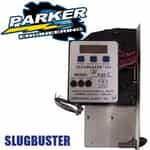
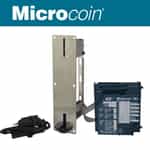
Popular and reputable brands include Coinco, IDX, Microcoin, and Slugbuster, all available for purchase today at Kleen-Rite! Models like our top-selling Slugbuster II or Microcoin QL are popular and reliable choices for car washes.
Installation of coin accepting equipment is generally an easy task, but each model may have nuances. Refer to your model specific user manual for more detailed and specific installation instructions. To install a coin acceptor, first securely mount the physical unit into its designated slot on the machine. Then, connect the wiring harness, ensuring the red wire is connected to a correct power source and the black wire is connected to ground. Finally, program the acceptor by following the manufacturer's instructions to teach it which coins to accept and reject.
Maintenance of coin accepting mechanisms is important for preventing revenue loss through downtime and mispayments, improving customer satisfaction by ensuring smooth transactions, and extending the machine's lifespan by preventing damage. Regular cleaning, checking for jams, and calibration ensure the acceptor accurately reads coins, preventing issues like incorrect change, rejected coins, and machine failure.
A maintenance schedule for coin acceptors typically involves monthly cleaning of the coin path and quarterly or semi-annual deeper cleaning of components like sensors. Frequency depends on usage: in harsh, dusty environments, a three-month interval may be necessary, while in a normal environment, six months is often sufficient. More frequent cleaning is recommended for high-traffic machines.
Troubleshooting a coin acceptor unit can be easy or difficult, depending on the issue. Simple problems can be addressed quickly and easily saving you money! It pays to become familiar with coin acceptance equipment and performing regular inspections on your wash's maintenance schedule. If your vending or coin acceptor pay station is not performing as expected, take a look at these points first.

Your shopping cart is currently empty.
Sign in and join Kleen Rite rewards to earn points and redeem rewards

