




Your shopping cart is currently empty.

Sign in and join Kleen Rite rewards to earn points and redeem rewards

 (0)
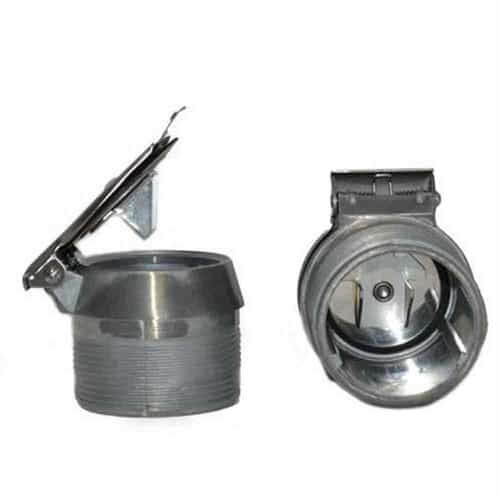
(0)This steel body inlet valve is used with a VCHA150 Adapter (sold separately) to create a port for 1.5" hose. This allows you to adapt a 2" inlet to a 1.5" inlet in your central vacuum system. The valve has a 2" MNPT thread. Valve cap with gasket completely shuts off air flow when closed.

Prop 65
Made of durable steel, this inlet valve has 2" MNPT thread to screw it into a 2" inlet port. It is paired with a VCHA150 Adapter to create a smaller inlet port that accepts 1.5" vacuum hose. This is commonly used with central vacuum systems. The valve has a built-in spring-loaded cap with a rubber gasket that shuts off the air flow when closed.
These valves are durable and long-lasting, but like any heavily used part you may eventually encounter problems with them. They're relatively simple mechanisms, so these issues are pretty straightforward and easy to diagnose. In most cases, the most sensible solution is to replace your inlet valve if you deal with any of the following difficulties:
It's important to understand that this inlet valve does not work the same as inlet valves or wall plates used with central vacuum systems inside homes, offices, and other buildings. Although they serve a similar function of being a spot to create a hose connection, there is one key difference: electricity. Inlet and valves and wall plates inside a building have an electrical connection to the central vacuum system. The hoses that are connected to them have a metal band on them. When the hose is inserted, it sends a low-voltage signal telling the central vacuum system to activate. Car wash central vacs, on the other hand, are either always running, operated with a push button, or triggered by a payment system. Consequently, the inlet valves in these applications only serve the basic functionality of being a spot to hook up hose.
WARNING: This product can expose you to chemicals including Lead, which is known to the State of California to cause cancer and birth defects or other reproductive harm (For more information go to www.p65warnings.ca.gov).

Your shopping cart is currently empty.
Sign in and join Kleen Rite rewards to earn points and redeem rewards

